Oasis Hub Bath received a BWCE Fund grant in 2025 to tackle economic hardship via energy saving measures. The grant enabled their initiative ‘Oasis Pantry’ to provide energy saving equipment and hold household energy reduction workshops.
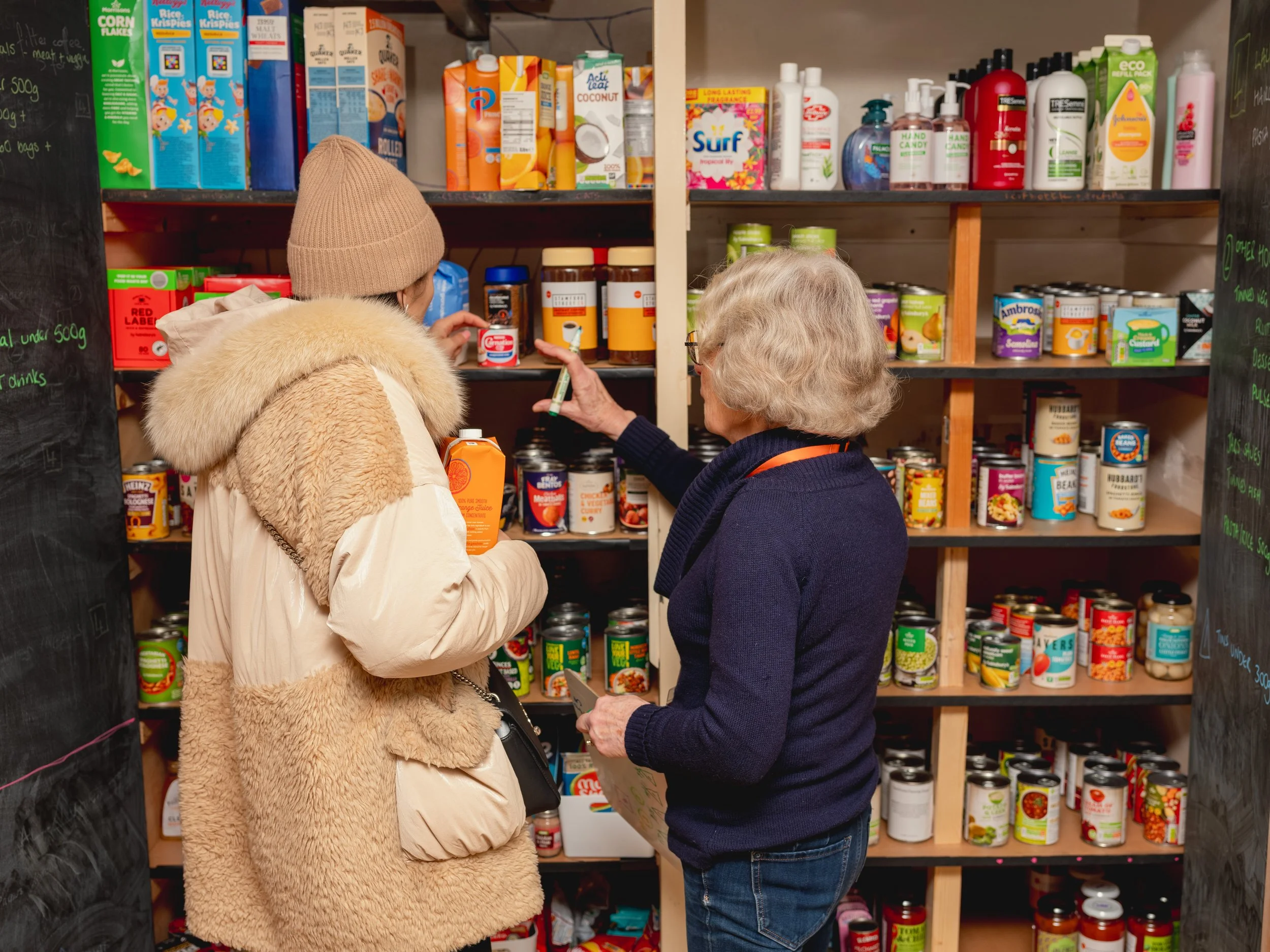
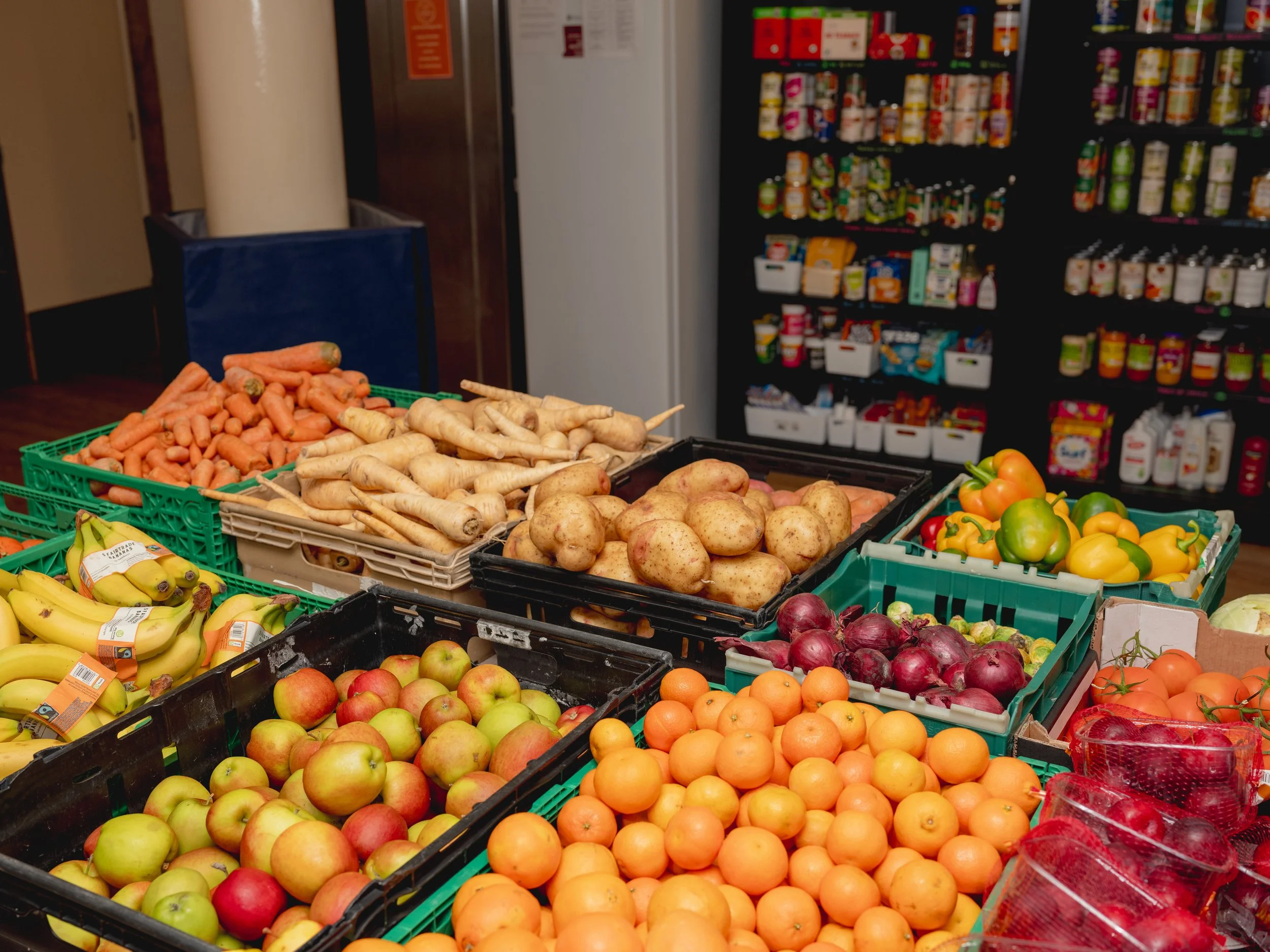
Oasis Pantry is part of a network of affordable food providers in Bath, supplying low cost, high quality food each week to local residents. They run two weekly affordable food pantries – one in the city centre and one in Southdown – providing low-cost, nutritious food to hundreds of people each week. These pantries are more than just food access points; they are welcoming community spaces where people can connect, build relationships, and access wider information, support and advice.
Alongside the pantries, they deliver linked projects that address the wider impacts of poverty to improve financial resilience. Knowing that pantry members were experiencing economic hardship, they conducted a household audit to identify energy saving measures that could benefit them.
We spoke to Claire Henwood, Community Work Manager, who told us all about the project.
How did you use the grant?
“With this grant we wanted to offer targeted, deeper support to a smaller amount of individuals who could benefit significantly, ensuring they received what they actually needed – rather than what we assumed they needed. There were 69 members identified as living in the type of accommodation where we could offer advice and equipment to directly help reduce their home energy use and therefore make savings on their bills.
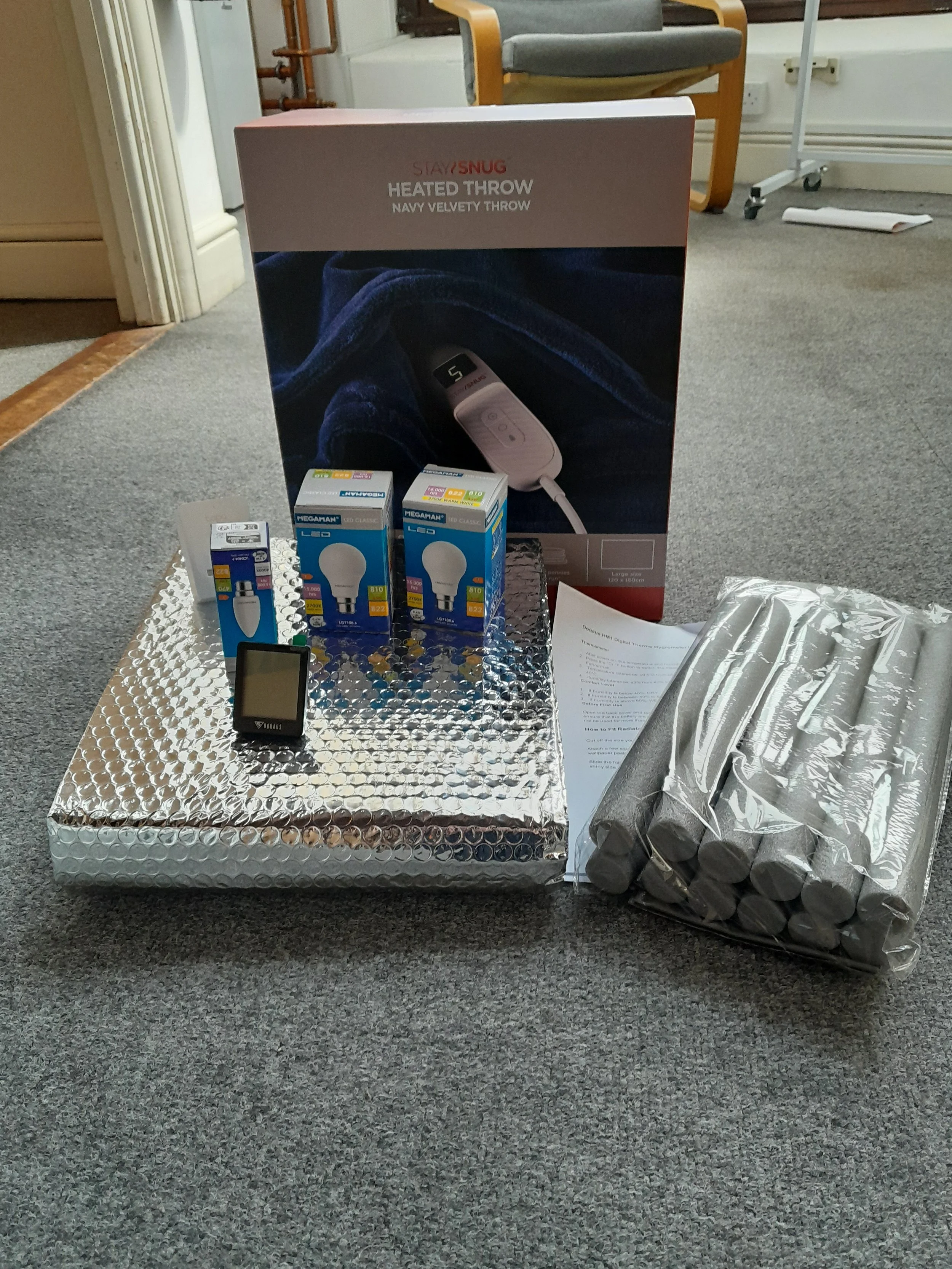
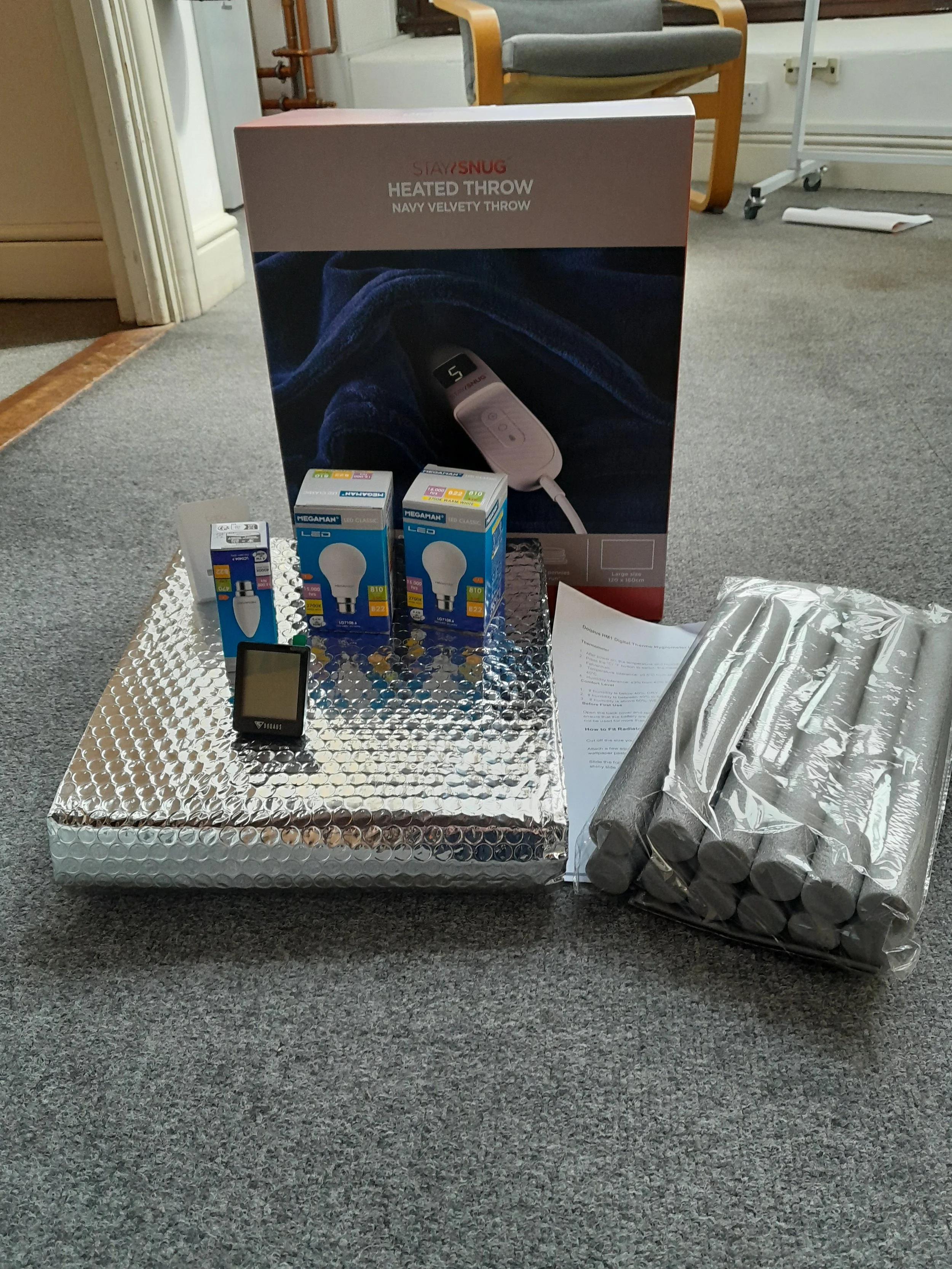
We held four household energy reduction workshops in collaboration with the Centre for Sustainable Energy and 29 people attended. Using the results of the household audits and advice from the Centre for Sustainable Energy to guide us, we purchased home energy reduction equipment including radiator foils, low energy light bulbs, draft excluders, smart plugs, thermometers and hygrometers, heated throws (for people who didn’t heat their homes), and one dehumidifier. The workshop also included guidance on how to use the equipment and how to maximise their energy savings.
The low-energy cooking workshop, in collaboration with Bath Mind’s ‘Food for Thought’ team, had six attendees who received a piece of equipment that they needed, together with a cook book relevant to that product, such as a microwave, air fryer or slow cooker.”



What difference did the grant make to your members?
“Those who attended the workshops, and received home energy equipment, have benefitted in multiple ways.
They have the potential to reduce their household energy consumption by 6476 kWh, equating to a potential cost saving of between £300 and £650 on each energy bill, depending on the level of support received, with an average saving of £433 per member.
Additional impacts include feeling warm in their homes for the first time in a while, being able to afford to heat their homes for longer, and feeling more in control of the steps they can take to reduce their energy consumption.”
What did members say about the workshops and equipment?
“Very informative. Really helped understand where the heat goes! And saw some really useful tips and gadgets to help retain the heat. Great signposting and info on how to check for problems. Many thanks for the care pack to help keep and stay energy-efficient.”
”Thank you for the detailed information. The session has increased my knowledge of the issues around damp and all the causes of condensation in my home!”
”Amazing information – thank you. I have learnt a lot today. Great to add this knowledge to take steps to make home healthier, more energy efficient. Thank you!”
“The air fryer has made such a difference, I’m cooking more regularly from scratch and eating more healthily.”
“I’ve never had a microwave before so this means I can now easily batch cook and reheat meals from frozen for my children.”
Your approach to requesting grant funding used an alternative method – can you describe how you administered the grant?
“We try and use an asset based community development approach as much as we can in our work and, for this project, this meant we needed to start by finding out:
- what the issues were for people,
- what equipment they already had, and
- what they would find most beneficial.
Asking these questions has meant that the project could be targeted towards the people for whom there was the greatest potential benefit. This approach was a challenge for the grant funding body because we couldn’t specify up front exactly how we would use the funding, or how many workshops we would run, because instead we wanted to start with an audit of where people were and use that to inform what we did next.
Thankfully the grant funders trusted us to do this and as a result, we were able to help a more focussed number of people to unlock much more significant energy benefits.
This has meant a much more labour intensive work load for our staff but we believe that it delivered a better return on the grant money provided to us – overall this approach has led to significant benefits for a targeted group of people, leading, we believe, to a better return on the investment of this grant funding. This feels like a win for our members, and a win for BWCE!”